MEET THE PEOPLE. LIVE THE STORIES.
Cornel Cioara
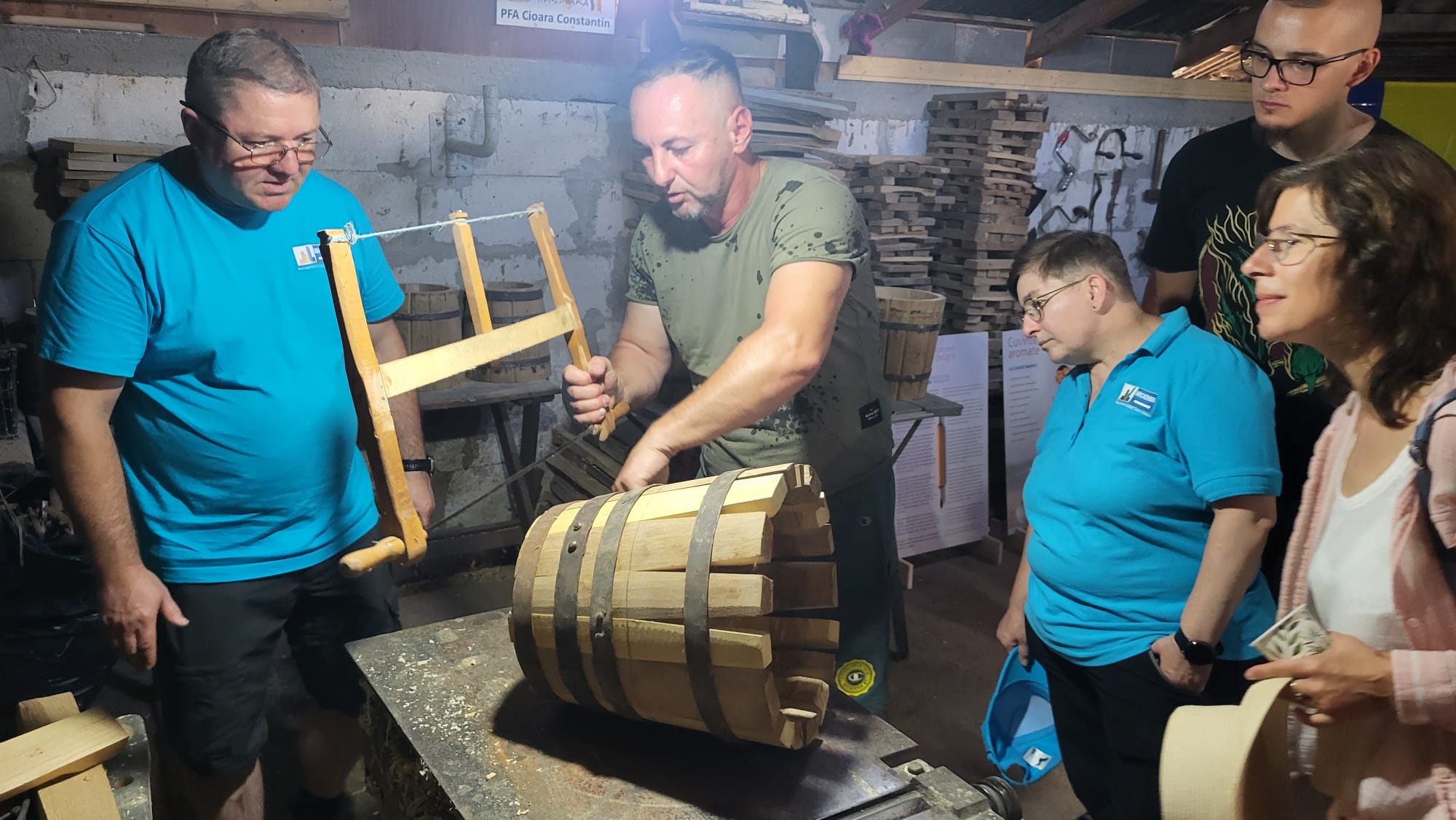
Cornel Cioara’s family came down from the Apuseni Mountains and settled in Plopi, in the Strei Valley. They brought with them the craft of woodworking, which his father, like many other Moți people, had inherited from generation to generation. Cornel learned the craft from an early age in the small workshop in the courtyard of his family home in Plopi. At the age of ten, he completed his first barrel. He travelled from village to village and from fair to fair selling his products, and today he says he is not at all ashamed of those times. On the contrary, he looks back with the pride of a child who worked to help his family. He has countless stories about customers who initially bargained with him sceptically, only to become friends once they discovered the quality of the barrels they had bought. There are many things Cornel holds dear: the memory of his father and the workshop he left him, his family, his home and all the places he has travelled. His friends, both old and new. But above all, he cares about the quality of the barrels he makes. A quality that comes from the grain of the wood, from craftsmanship and from his desire to live up to his father’s legacy. Today, Cornel Cioara is the first craftsman from Hațeg Country to join the Geopark Experiences programme. His workshop is ready to welcome visitors and introduce them to the secrets of barrel-making, in the belief that those who arrive as tourists will leave as friends — friends of traditional crafts and of the Geopark.
Simona Cioara
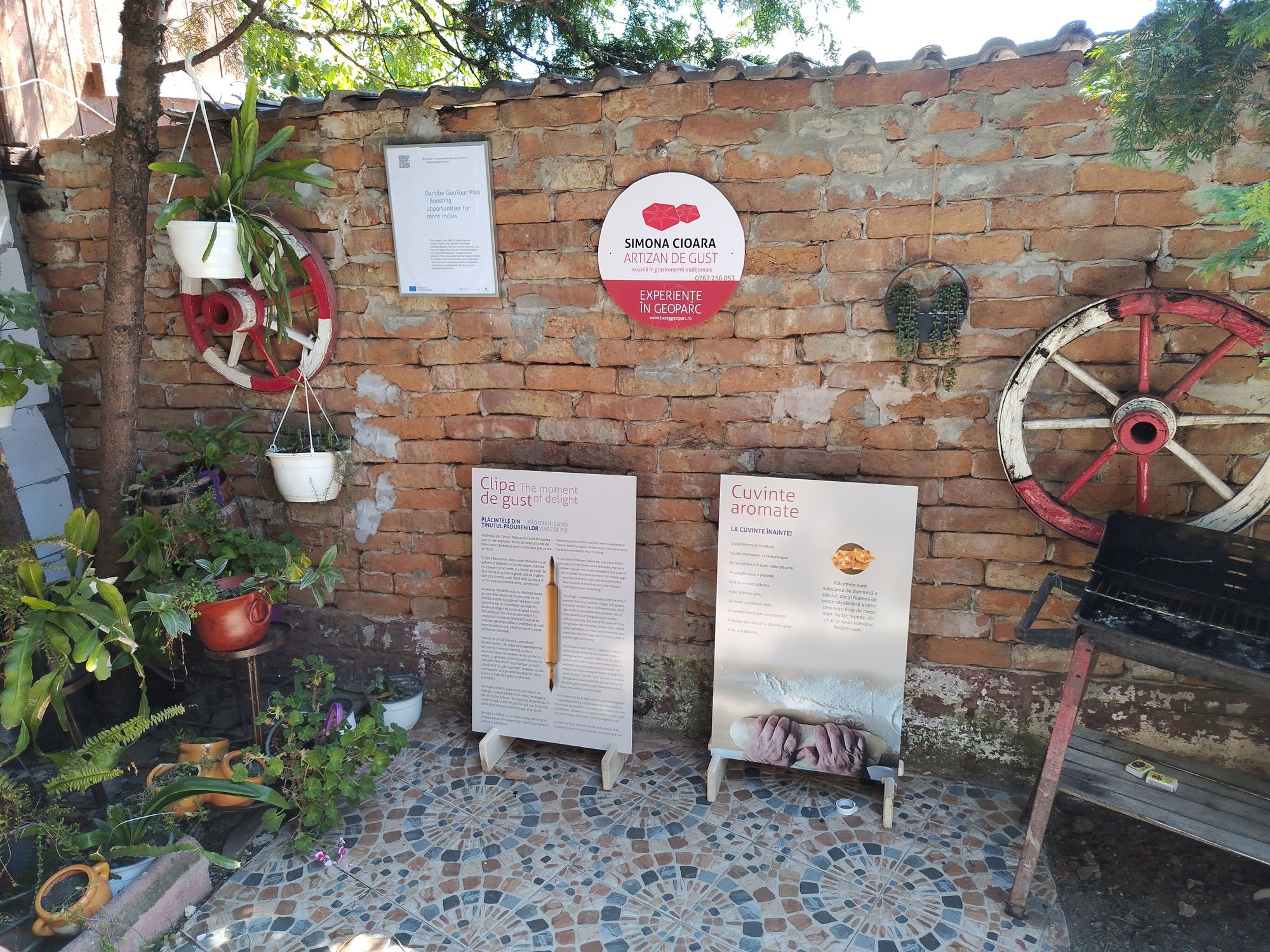
As a child, Simona Cioara looked down upon Hațeg Country from the highlands of Ținutul Pădurenilor. Later, she came to live just below Hațeg Hill, in the municipality of Bretea Română. When she married and moved to the village of Plopi, she did not come empty-handed: she brought with her the skill of making traditional Pădureni pies. It is a passion, but it is also a craft. And there is the joy of seeing the pleasure on people’s faces as they break into a steaming pie and taste it. Simona is proud of the heritage she brought into her husband’s home, although she does not believe there is any great secret to the recipe. You simply have to put your heart into it and learn to feel: feel the quality of the flour and cheese, feel when the dough has been kneaded enough and how long it needs to rise, and know whether the oven is hot enough for the pie to slowly catch the heat and turn beautifully golden. With her household in good order and her daughter Maria now grown into a high-school student, Simona feels ready to take the next step and cook for visitors. Welcoming tourists to your table and taking responsibility for offering them genuine traditional food is no small thing. But Simona is ready to share something of herself with those who come to her home looking for an Geopark Experience.
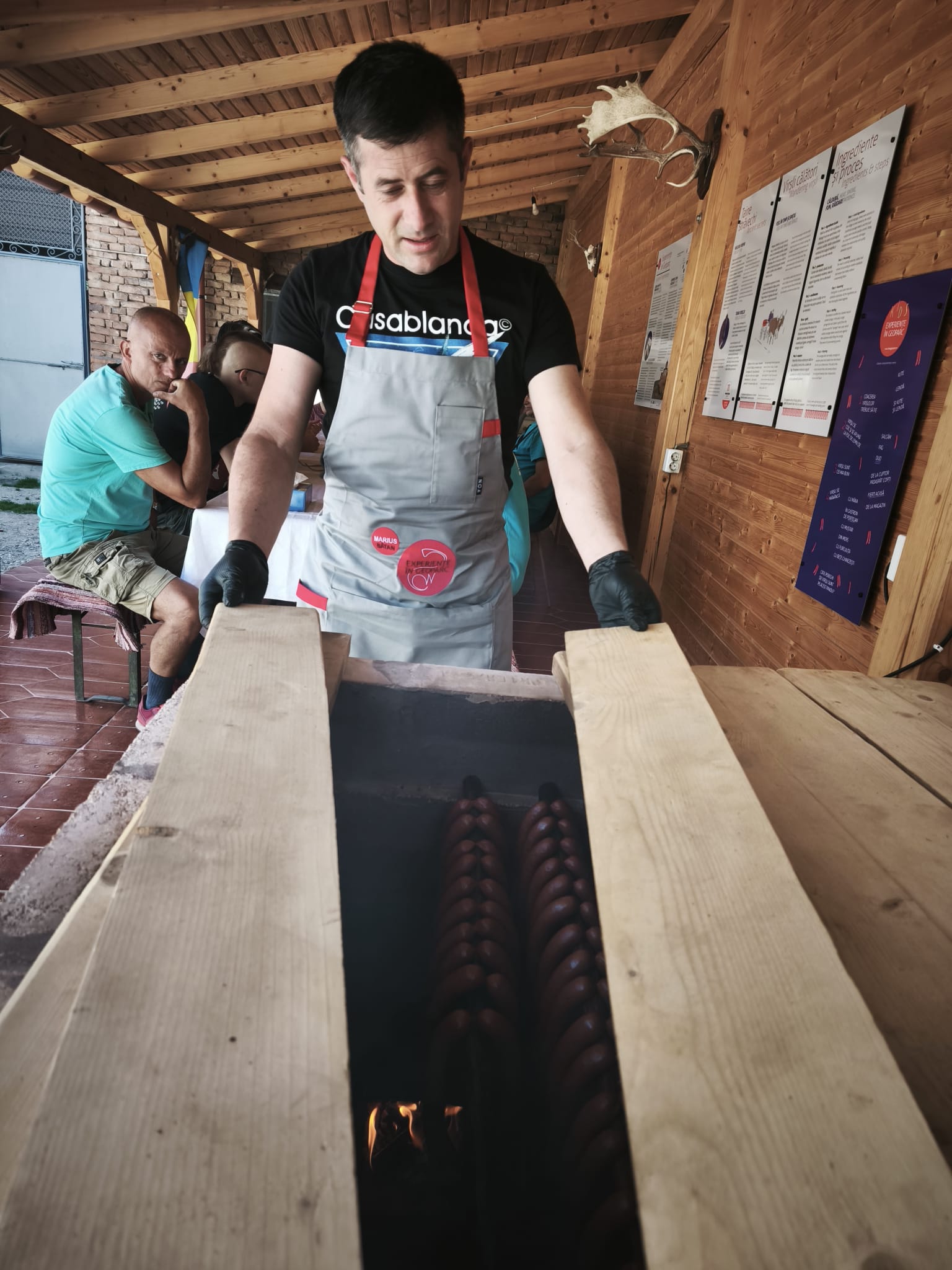
Marius Bâtan
Everyone knows them. Or at least that is what you might think when talking about the virșli of Hațeg Country. People here have eaten them for as long as anyone can remember, and they have always been taken to local fairs to be sold. Once found only in this region, they have long since crossed its boundaries and can now be found in shops throughout Romania, produced by meat-processing companies. Virșli are thin sausages made from a mixture of meats. Traditionally, they are eaten in pairs, with bread and mustard, heated only until the water reaches the boil. They must not be boiled for too long, otherwise they lose the meat juices that make them so succulent. And you really should eat them with your hands: cutting them with a knife would let those juices escape, and it would be a shame to leave them dry. But what would it be like to taste virșli right beside the oven where they are prepared? Marius Bâtan offers one of the Geopark Experiences right beside the virșli oven in his family home in Sălașu de Jos. His wife comes from a family of traditional virșli makers and, after they married, Marius carried the craft forward. He established an authorised small-scale meat workshop and created a welcoming space where he can tell visitors the story of the virșli of Sălaș, show them how they were once made using hand tools and, most importantly, offer them a pair of hot virșli fresh from the oven. This is one of the secrets of their preparation: baking them in a wood-fired oven. It is the final stage before the virșli are stored or sold, and this is when they are at their very best. At Marius Bâtan’s home, you can taste authentic virșli from Sălaș and discover the story behind them.
Adrian Necula
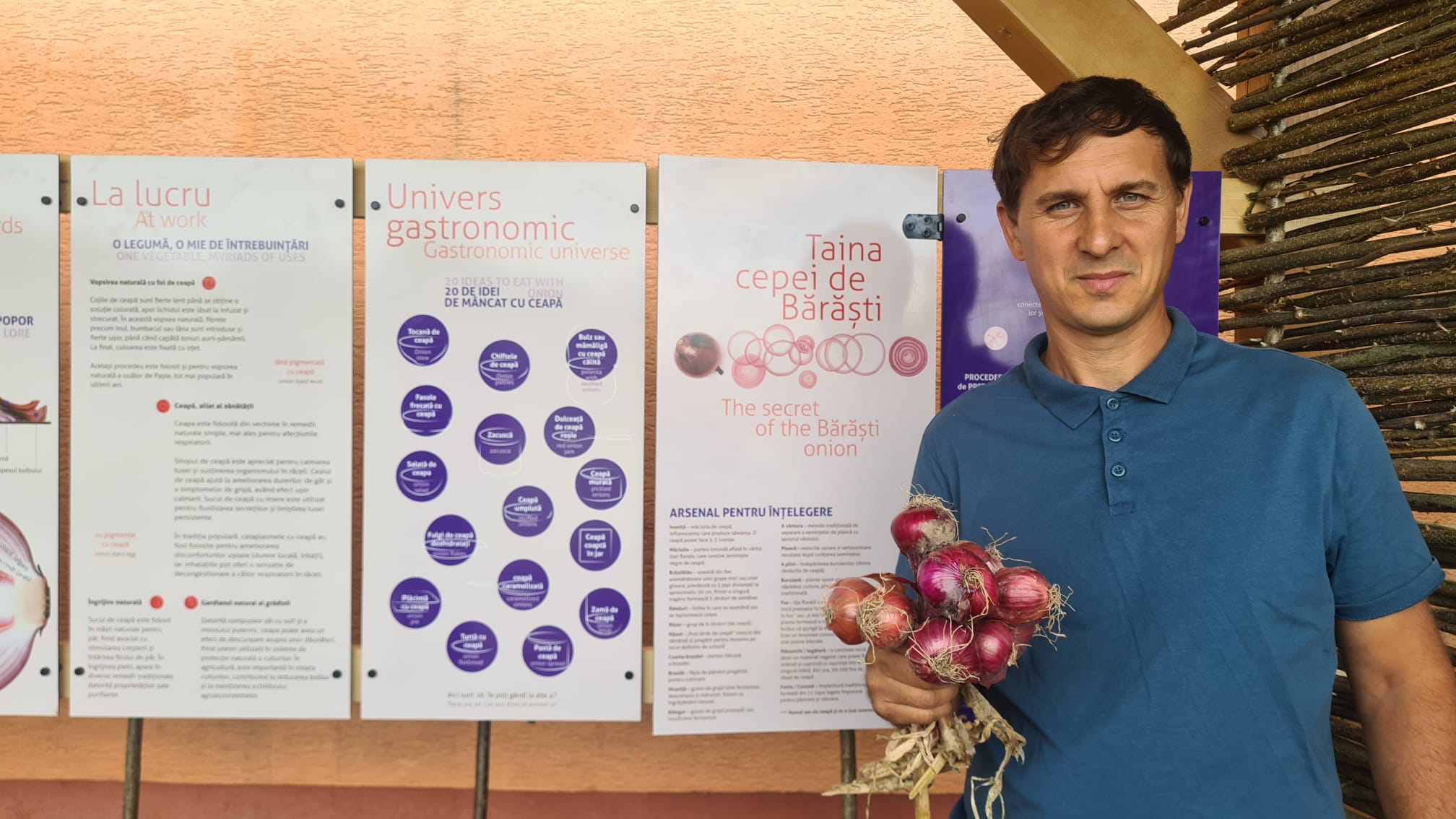
They are only green leaves, fruits and roots — how could they possibly have a story? They can, when you pick them from a garden where every plant and tree grows in harmony with those around it, under the care of Adrian Necula. Adrian enjoys telling people about them almost as much as he enjoys working in the garden of his family home in Săcel. He was not born here. He came to Săcel when he married Dana, but today he is doing what he dreamed of doing as a child. He transforms soil that once produced little or nothing into an explosion of life: parsley and lovage, tomatoes, cucumbers, peppers, cabbage and celery, raspberries, apricots, apples and much more. He often begins by growing something on just a small patch of land, as an experiment, until eventually it fills an entire corner of his garden. More recently, he has specialised in growing the Bărăști red onion. After teacher Silvia Szakacs-Mikes revived the story of this traditional onion and even created a festival dedicated to it, Adrian began cultivating this sweet-tasting local variety that was once common along the banks of the Sibișel River. It is not simply grown from onion sets. It begins with seeds which develop into seedlings before being transplanted into the garden one by one. This is why it is also known locally as a transplanted onion. It needs plenty of water, making the villages of Sântămăria Orlea particularly suitable for growing it. In the past, it was one of the stars of the autumn fair in Pui, from where it was sold as far away as the Jiu Valley. Adrian is part of Geopark Experiences, sharing stories about the plants and trees in his garden, which he knows from the tip of every leaf to the deepest root. And because the revived Bărăști red onion has once again become a local star, it takes centre stage in the stories Adrian shares with visitors in the shade of the gazebo at the entrance to his garden. And once the stories have been told, the host invites his guests into the garden to pick fresh vegetables and fruit with their own hands.